Ming Emperors
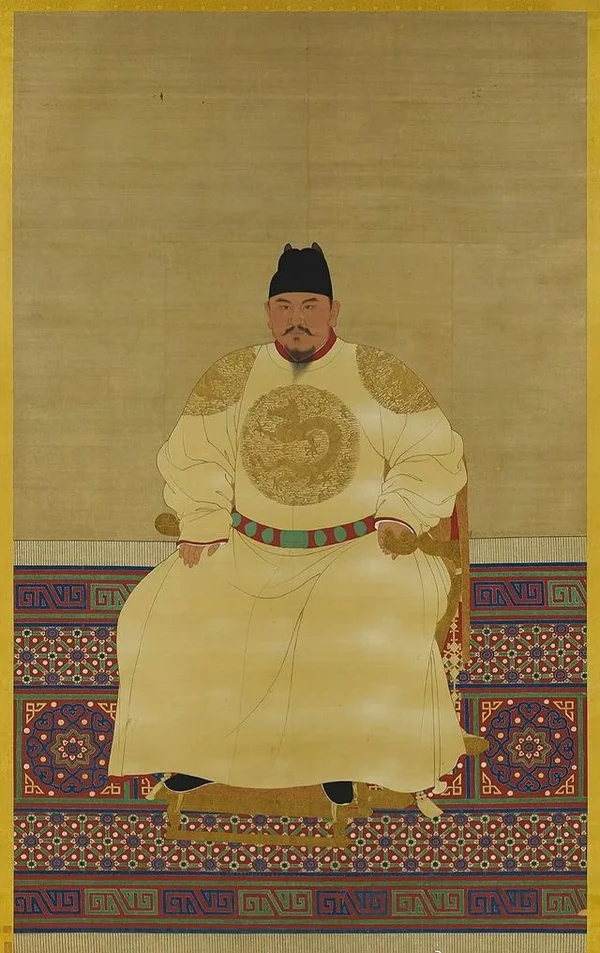
Zhu Yuanzhang
Emperor Taizu
The founding emperor. Rose from commoner to unify the realm and restore Han culture. During his reign, he abolished the chancellorship to strengthen imperial power and enforced strict governance to protect the people. His will was as firm as a rock.
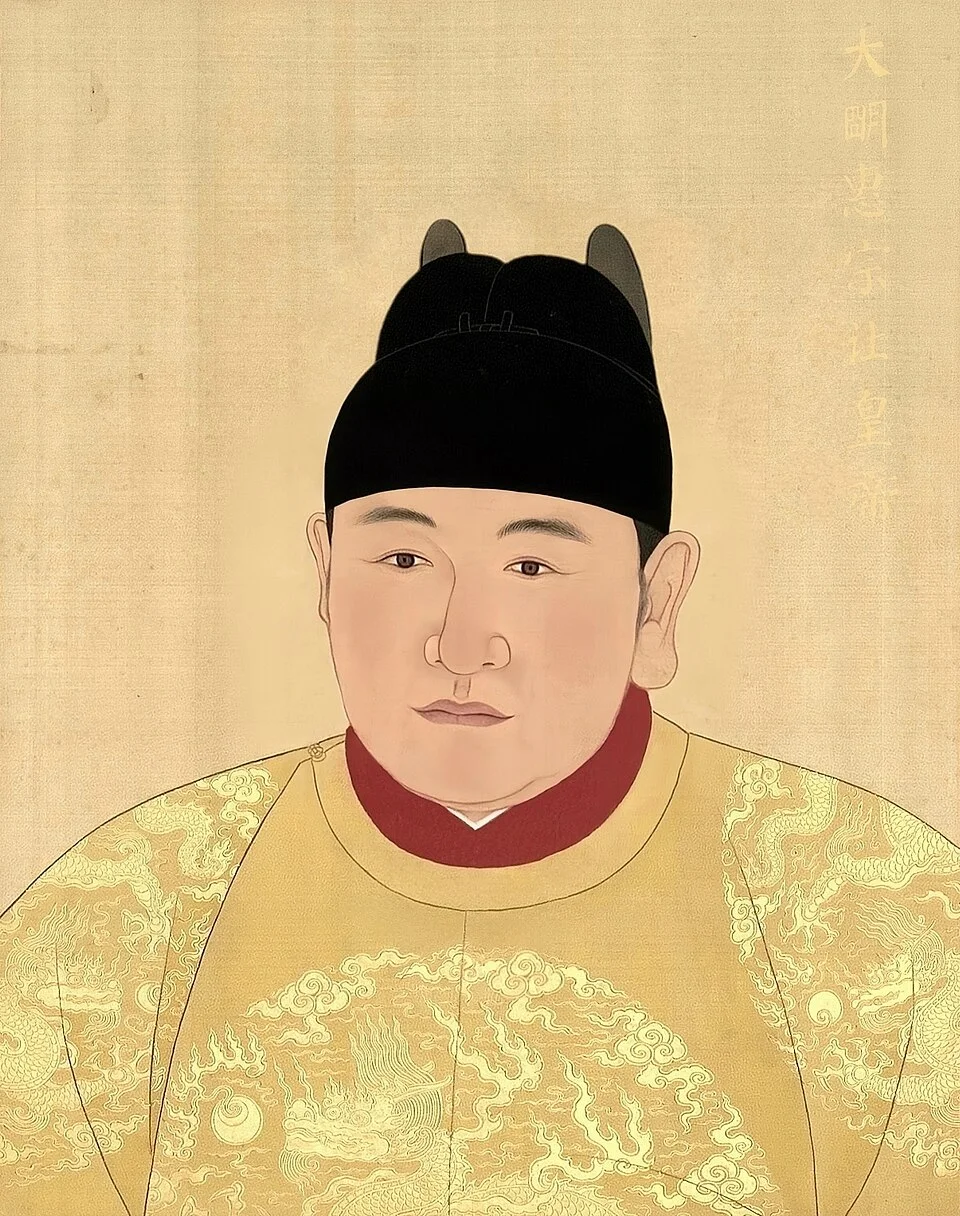
Zhu Yunwen
Emperor Hui
A benevolent ruler. Inherited Taizu's legacy and attempted to reduce the power of feudal princes. However, his indecisiveness led to the Jingnan Campaign, and he disappeared, leaving an eternal mystery.
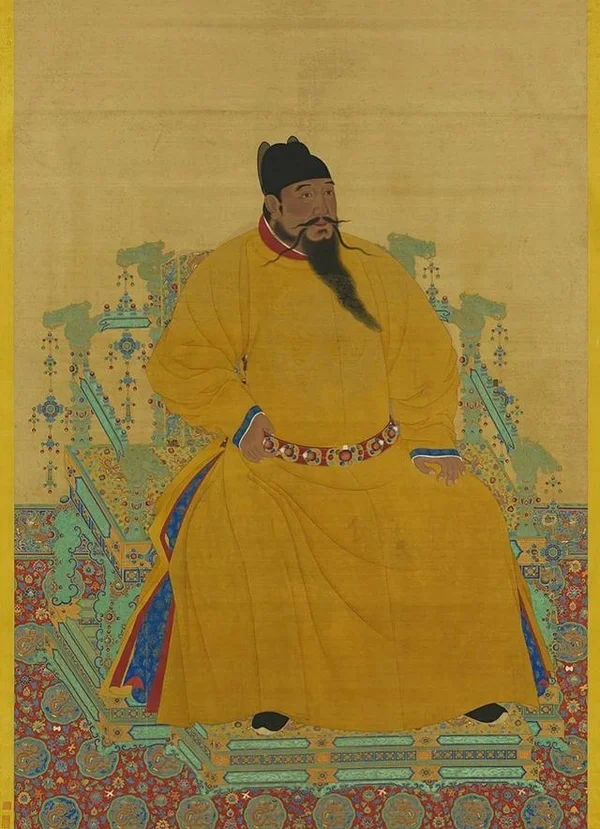
Zhu Di
Emperor Chengzu
A great ruler. Moved the capital to Beijing, built the Forbidden City, and dispatched Zheng He on maritime expeditions. Led five campaigns northward to pacify the borders, bringing nations from all directions to pay tribute. His achievements surpassed those of ancient rulers.
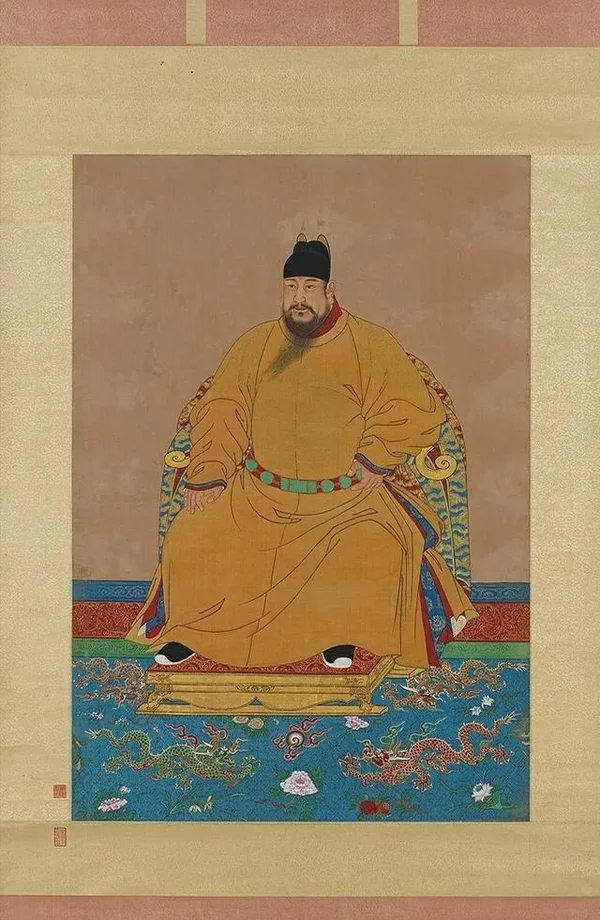
Zhu Gaochi
Emperor Renzong
A benevolent monarch. Reigned for only ten months, yet implemented benevolent policies, reduced taxes, and redressed unjust cases. Together with his son Xuande, he created the 'Ren-Xuan Rule', laying the foundation for the Ming golden age.
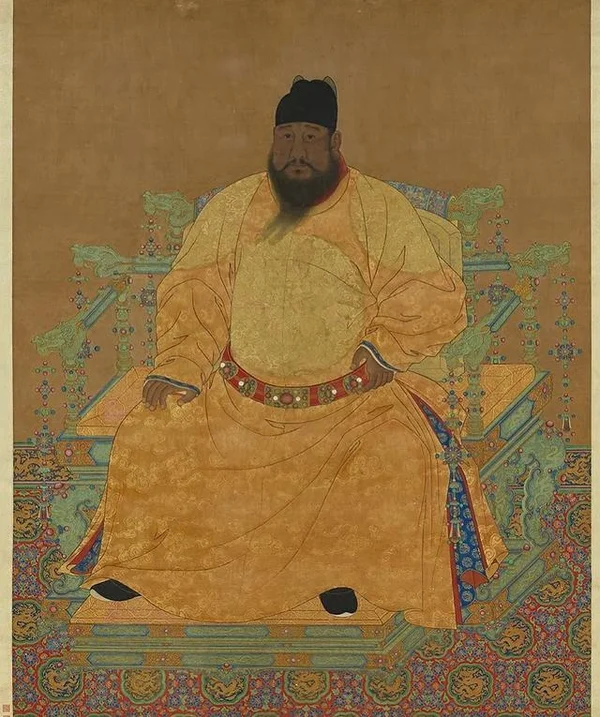
Zhu Zhanji
Emperor Xuanzong
A peaceful ruler. During his reign, officials were diligent in their duties, and the people enjoyed their livelihood. The emperor loved calligraphy and painting, especially ink painting. Together with Renzong, he created the 'Ren-Xuan Rule' - the peak of Ming prosperity.
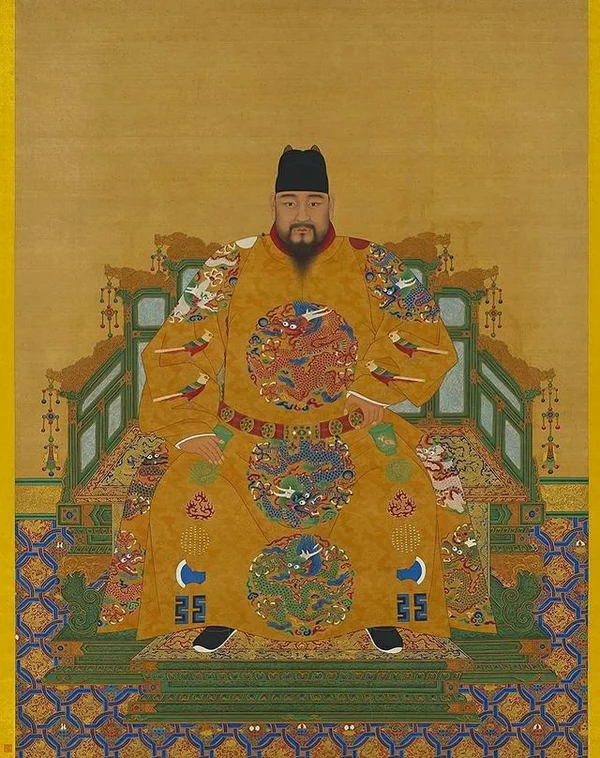
Zhu Qizhen
Emperor Yingzong
Ascended the throne twice. Captured by Oirats during the Tumu Crisis, later returned and restored his rule. His life was full of ups and downs, with mixed reputation. However, in his later years he trusted worthy ministers and had commendable qualities.
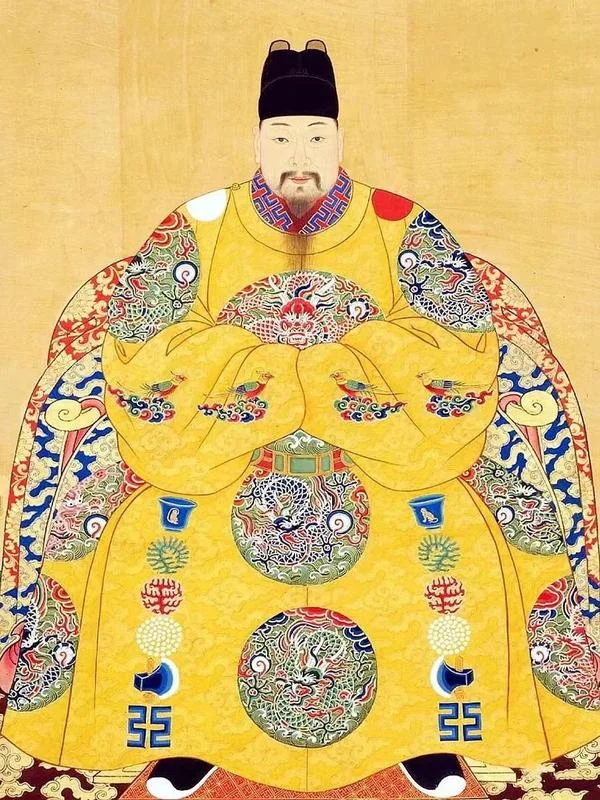
Zhu Qiyu
Emperor Daizong
A successor ruler. Ascended the throne after Yingzong was captured, employed Yu Qian to repel the Oirats and stabilize the realm. However, the succession dispute in his later years led to mixed historical evaluations.
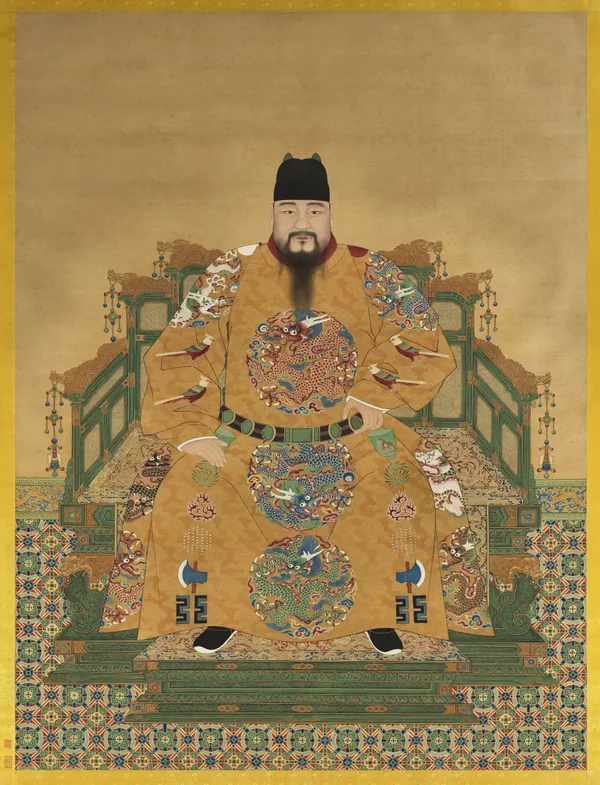
Zhu Jianshen
Emperor Xianzong
A generous ruler. Initially employed worthy ministers, bringing peace to the realm. Although he favored eunuchs in his later years, his overall reign was stable. Restoring Daizong's imperial title showed his benevolence.
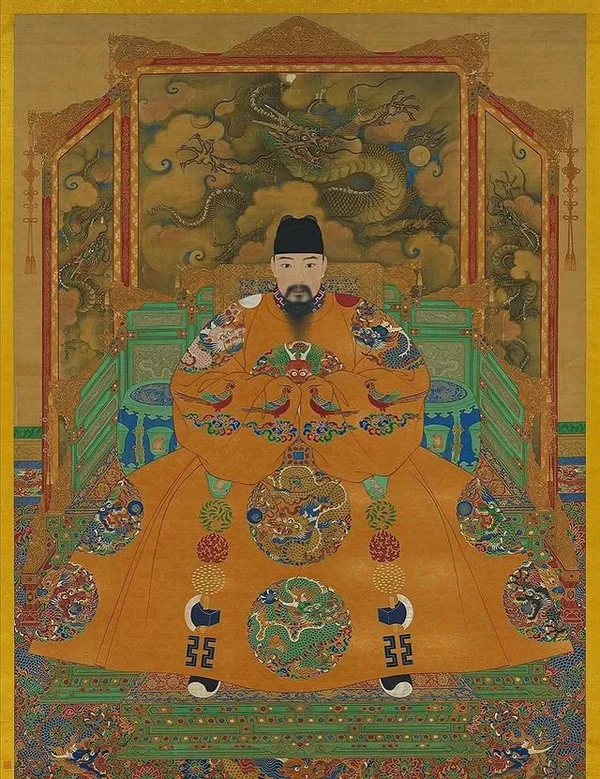
Zhu Youcheng
Emperor Xiaozong
A restorer of prosperity. Diligent in governance, loving to the people, employing the capable. Expelled treacherous officials and strove for improvement. History calls it the 'Hongzhi Restoration' - a rare wise ruler in mid-Ming.
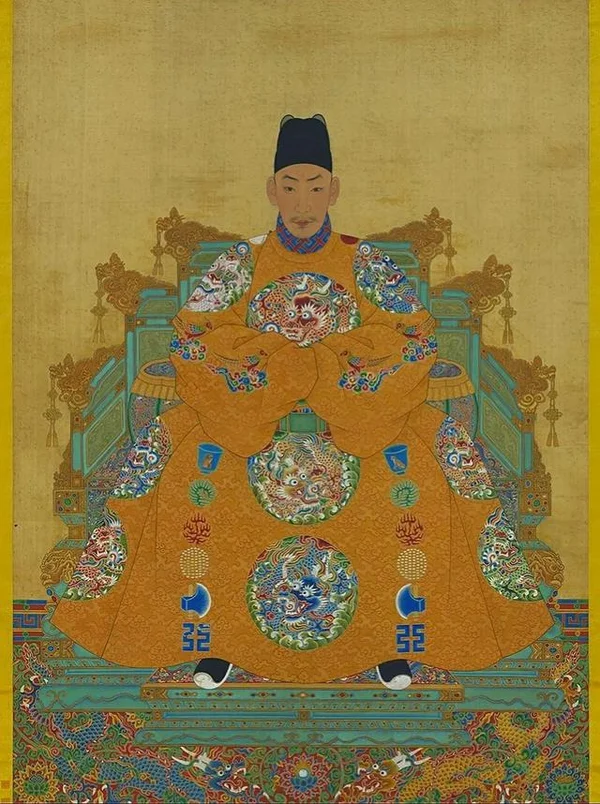
Zhu Houzhao
Emperor Wuzong
An unconventional ruler. Loved pleasure and styled himself as 'Prince of Zhengu'. Yet he was brilliant, personally commanding battles in the Leopard Chamber and defeating the Mongol prince. Highly controversial figure.
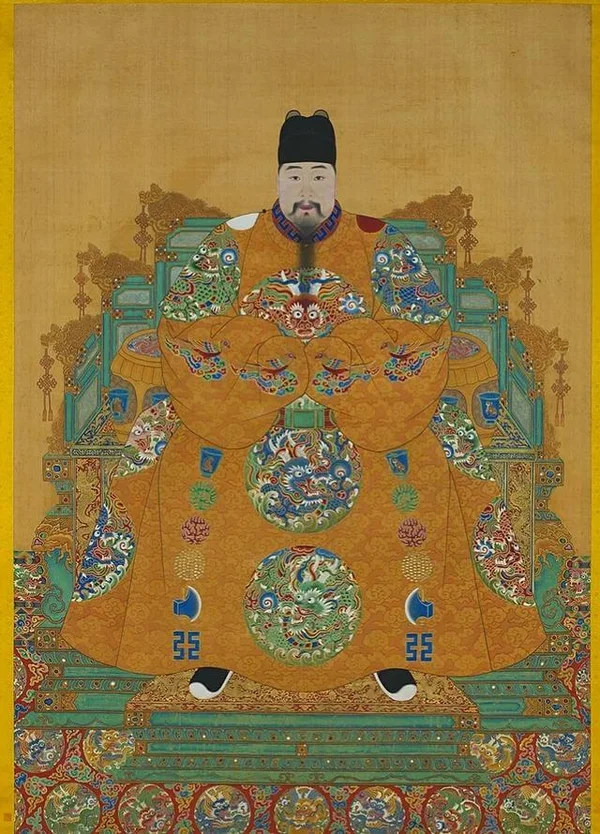
Zhu Youyuan
Emperor Ruizong
Father of Emperor Shizong, Prince of Xing. Enfeoffed as Prince of Xing in the 23rd year of Chenghua, moved to Anling Prefecture, Huguang in the 7th year of Hongzhi. Died in the 14th year of Zhengde at age 44. Posthumously honored as Emperor Xingxian with temple name Ruizong after his son Jiajing's accession.
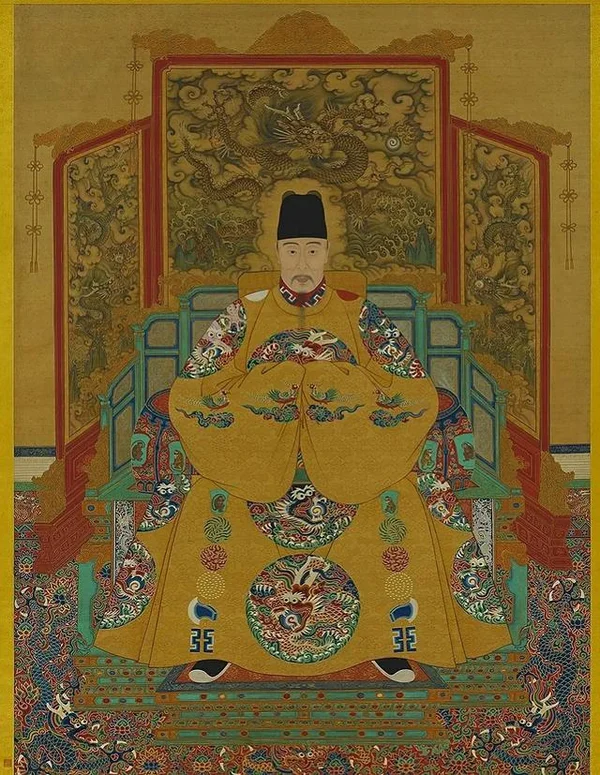
Zhu Houcong
Emperor Shizong
Wise and resolute. Inherited the throne and established the Great Rites to rectify social norms. Although in mid-late years he secluded himself in the Western Park seeking longevity, imperial authority remained firmly in his grasp with unfathomable strategy.
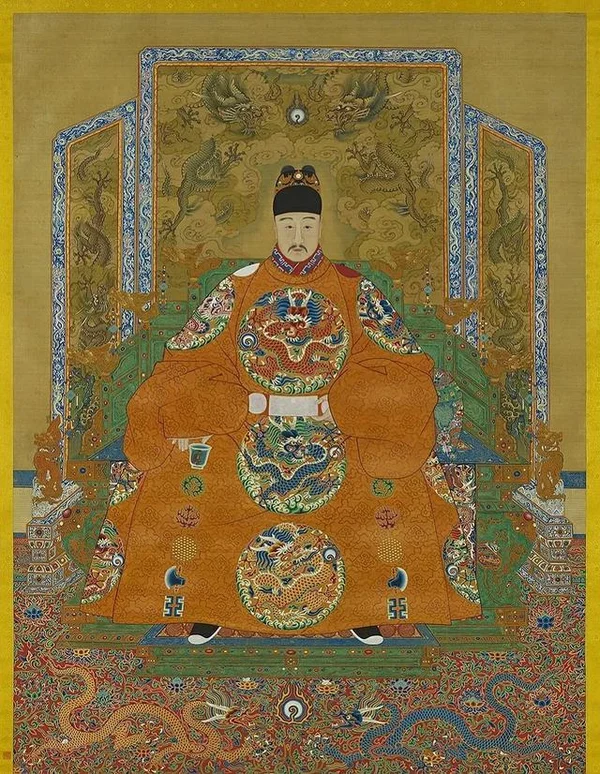
Zhu Zaiji
Emperor Muzong
A harmonious ruler. Though his reign was short, he employed capable ministers like Gao Gong and Zhang Juzheng, lifted the sea ban - historically known as the 'Longqing Opening'. Court politics were clear, national strength gradually recovered.
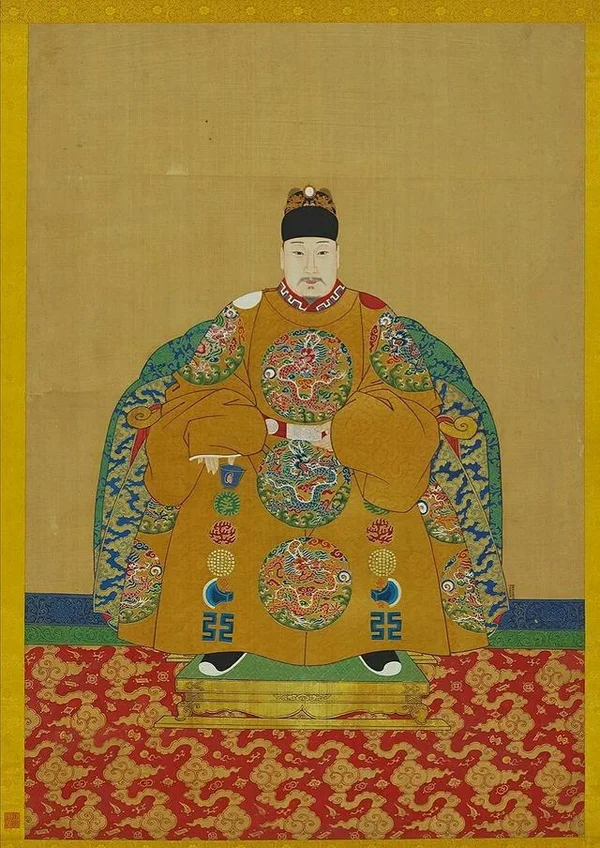
Zhu Yijun
Emperor Shenzong
Longest reigning. Early reign employed Zhang Juzheng for reforms, greatly increasing national strength. Three major campaigns in mid-reign were all victorious. However, not holding court for thirty years in late reign caused political deterioration and worsening situation in Liaodong.
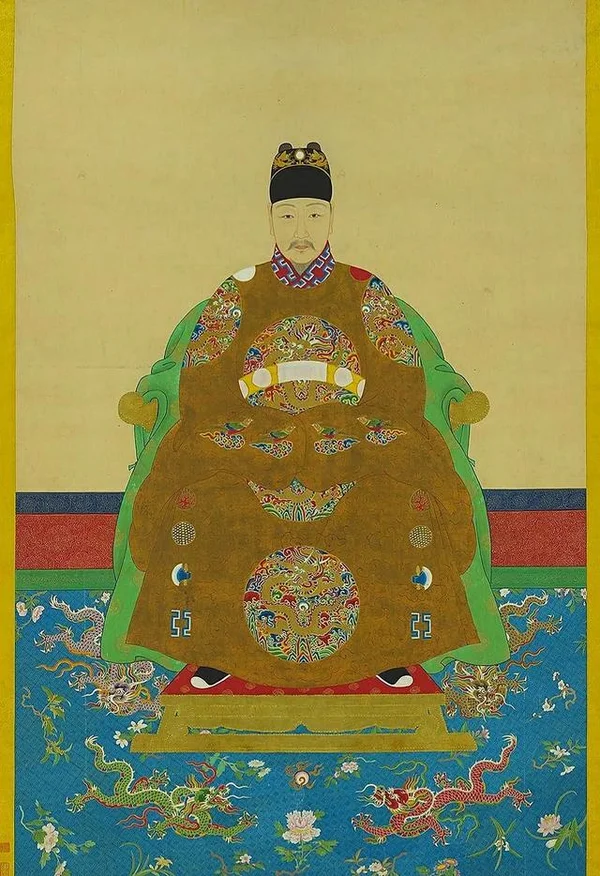
Zhu Changluo
Emperor Guangzong
The one-month emperor. Suffered from chronic illness before ascending, died after only twenty-nine days due to the Red Pill Case. A life of hardship, ultimately unable to fulfill his ambitions.
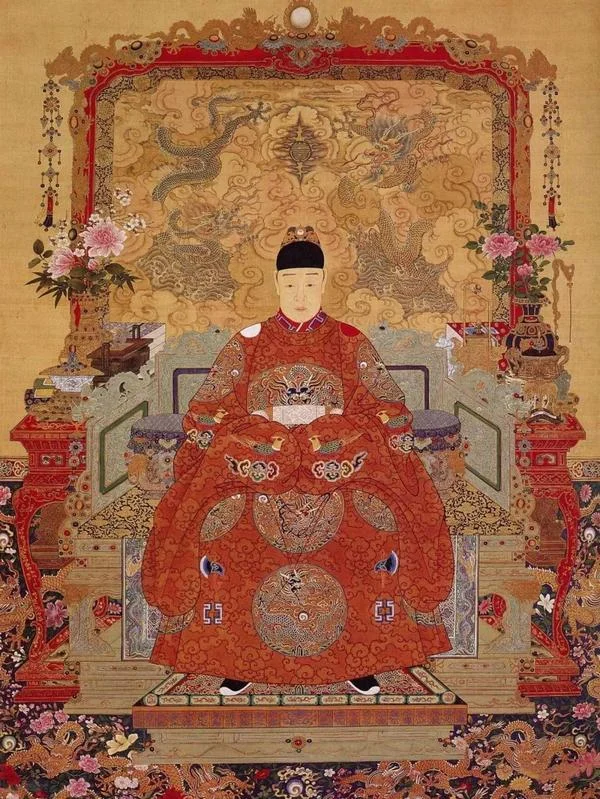
Zhu Youjiao
Emperor Xizong
The artisan emperor. Loved woodworking, with exquisite craftsmanship. However, favoring Wei Zhongxian allowed the eunuch clique to monopolize power and drive away loyalists. Court corruption led to declining national strength.
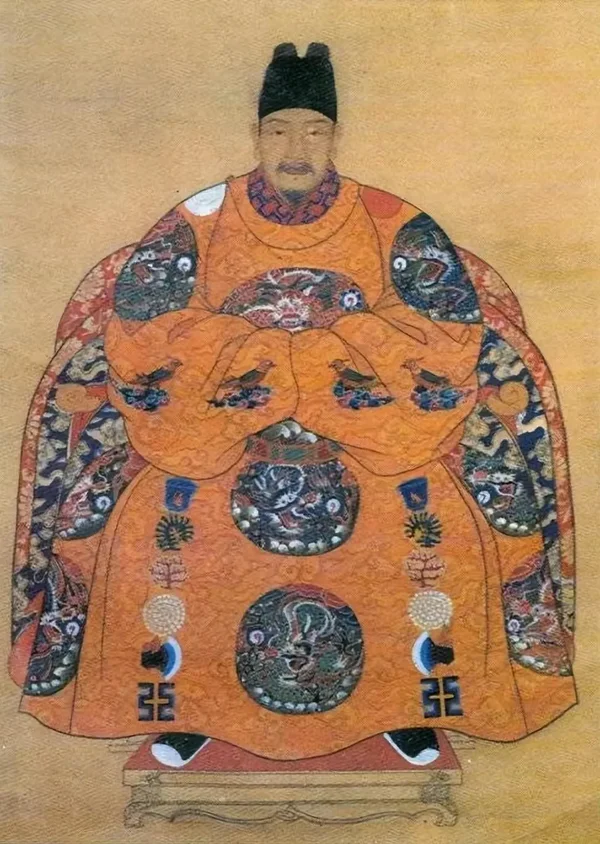
Zhu Youjian
Emperor Sizong
A diligent ruler. Inherited a century of accumulated corruption and faced disasters across the realm. Diligent and frugal, desiring restoration. But the trend was irreversible - hanged himself on Coal Hill, ending in tragedy.